
Somewhere along the way, most companies discover the same problem: the thing they sell is too big, too heavy, too complex, or too invisible to show anyone. You can't haul an asphalt plant to a sales meeting. A data center cooling loop doesn't fit in a booth. A satellite is in orbit. So the product gets flattened into brochures, renderings, and video — and something is lost, because not everyone can turn a 2D image into a 3D understanding, and no screen has ever stopped foot traffic the way a physical object does.
A custom scale model solves that problem. This guide covers what models actually do for a business, the main ways companies use them, and the design choices — cutaways, motion, lighting, multiples — that make one earn its keep.
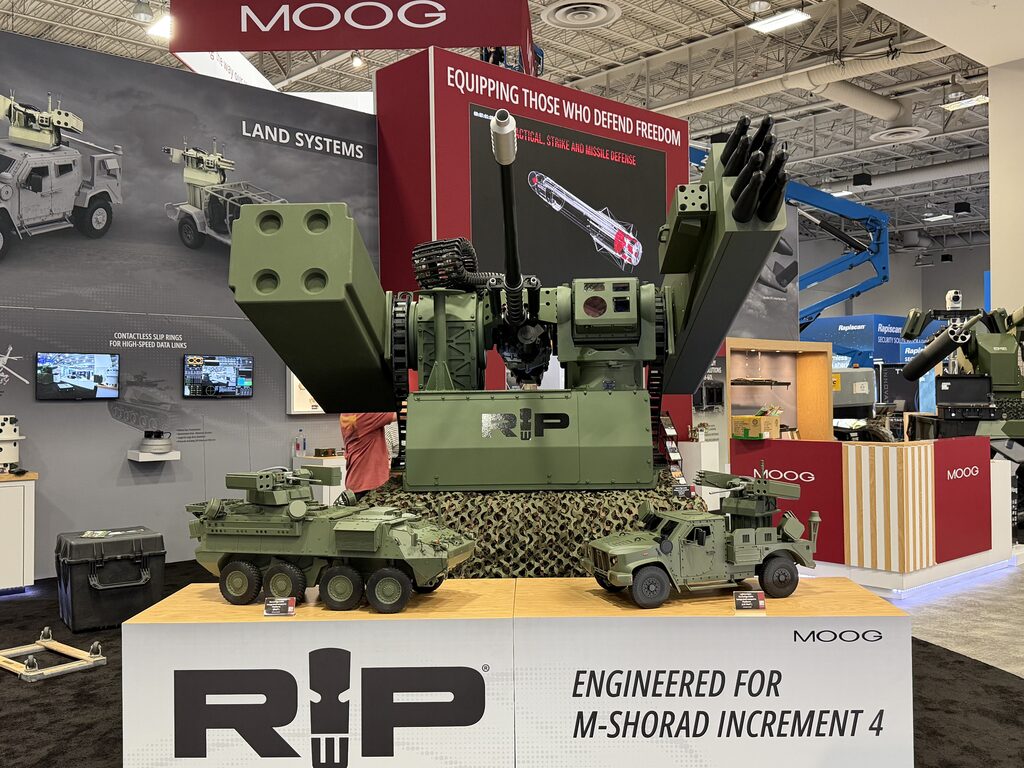
What a model does that media can't
Every marketing format has a job. A brochure informs. A video demonstrates. A model involves. People are drawn to miniatures in a way that's almost involuntary — they lean in, walk around, point, touch, and ask questions. At a trade show that behavior is worth money: a prospect exploring your product is a prospect in a conversation.
A model is also the great equalizer of technical communication. Engineers read blueprints fluently; most executives, purchasing managers, and trainees politely nod at them. A physical model requires no translation. Exits, components, clearances, and processes become obvious to everyone in the room at the same time — which is precisely what you want in a sales presentation, a training session, or a zoning hearing.
Trade show models
The trade show floor is the most expensive real estate your company rents all year, and every booth on it is competing for the same thirty seconds of attention. A scale model wins those seconds physically. It can't be scrolled past.
The practical case is just as strong as the theatrical one. The actual product is often too cumbersome, delicate, or valuable to ship from show to show — a model travels in a custom case, sets up in minutes, and survives the season. Features that are invisible at full size become the star of the display: a cutaway reveals internals, LED lighting traces a process path, animation shows the machine doing its job on a loop that draws a crowd. And a model gives your booth staff something better than a pitch — a demonstration.
Models built for trade show duty are engineered for it: durable materials, repeated pack-and-unpack cycles, and crating designed around the show calendar. Ours have never missed a client's show date. See our trade show models for how these builds come together.
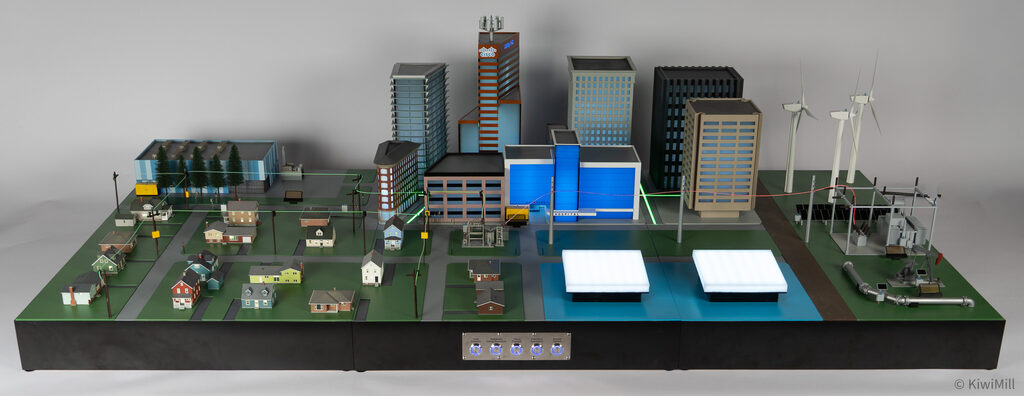
Sales and demo models
The oversized-product problem follows sales teams everywhere, not just to shows. If your product is heavy equipment, an industrial process, or a building-sized system, your reps are selling something the customer may never see before signing.
A sales model puts the product on the conference table. It answers questions a spec sheet can't, focuses the meeting on the physical reality of what's being bought, and leaves an impression that outlasts the slide deck. For distributed teams, duplicate models — cast from the same molds — put the same demonstration in every rep's hands. Desktop-scale versions double as high-end leave-behinds and executive gifts.
Training models
Not everyone will admit they can't read a blueprint — people smile, nod, and retain little. When the subject is emergency preparedness, equipment maintenance, or plant procedures, that gap is a real risk.
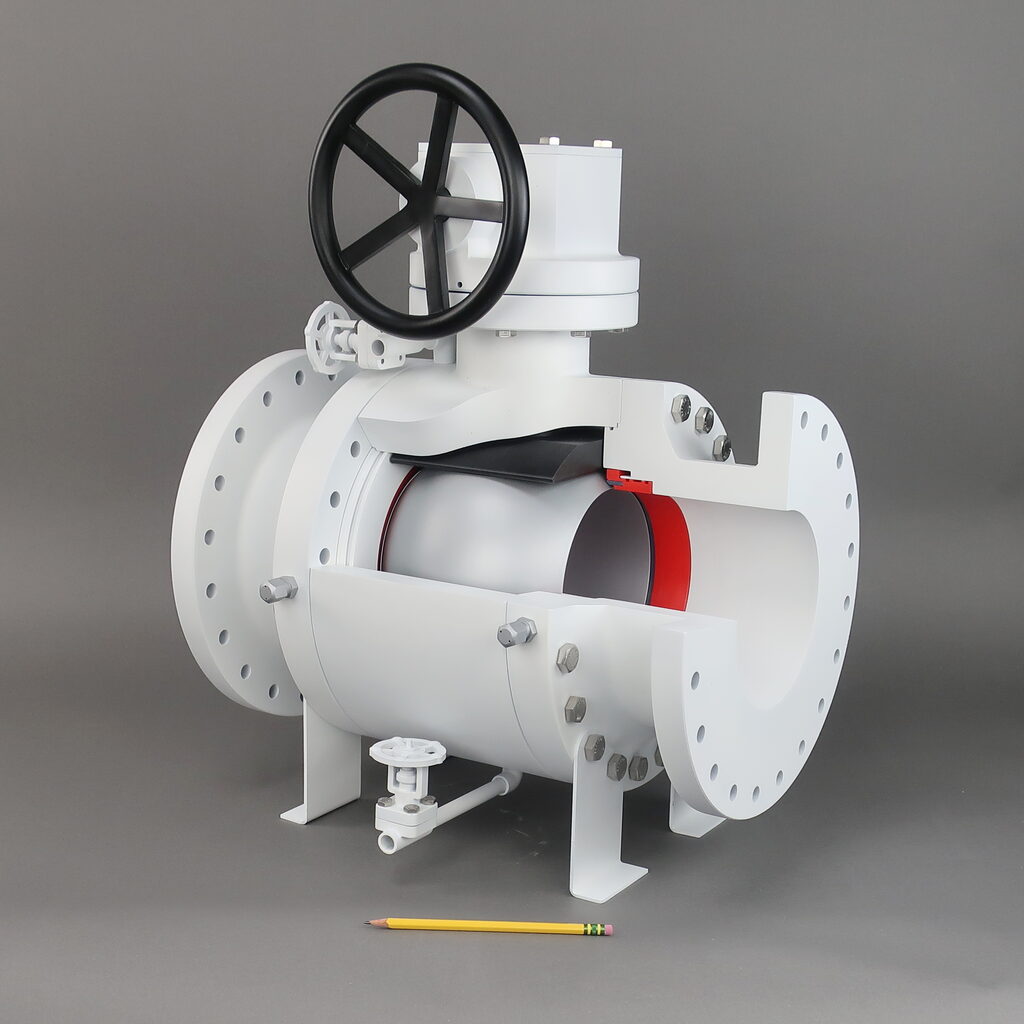
Training models close it. A scale replica of a facility makes exits, traffic flow, and equipment locations obvious to every trainee at once. A working model of a mechanism — a valve, a pump, a loading system — lets people practice on something they can hold, disassemble, and reassemble, without taking a million-dollar machine out of service or putting anyone near a hazard. Cutaway construction and bright color-coding turn internals into a lesson plan. We've built them for clients from nuclear operators to valve manufacturers with entire training fleets — browse our training models to see the range.
Prototypes and product development
A prototype is a model with a different job: answering design questions before production. Some are proof-of-concept studies in simple materials; some replicate look and feel for executive review or photography; a fully working prototype simulates the final product as a last check before tooling. The common thread is economics — it is far cheaper to discover a problem in a model than in a production run. If you're developing a product, prototype fidelity is a spectrum, and choosing the right level for the question at hand is most of the skill.
Museums, exhibits, and institutions
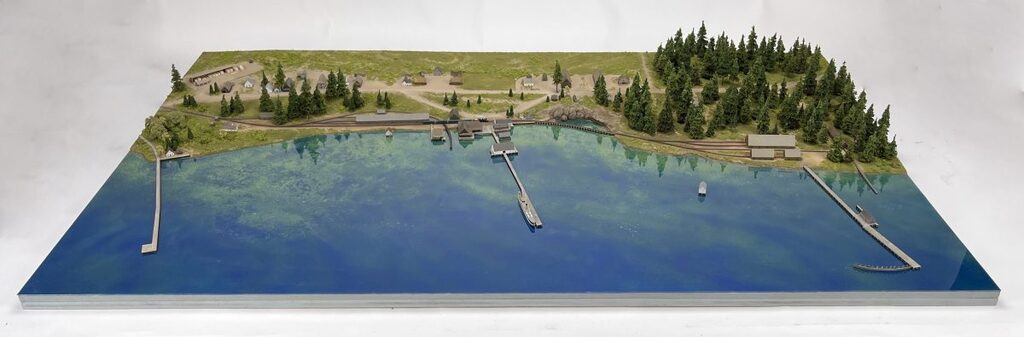
Museums, visitor centers, and corporate lobbies use models where the real thing is impossible: a building demolished a century ago, a landscape at 1:500, a process the public will never see up close. These are the longest-lived models we build — museum work is expected to hold up to generations of viewing — and often the most detailed. Historical and architectural commissions also do quiet marketing duty: donors, boards, and communities rally around something they can see.
The features that do the selling
Whatever the use, a handful of design choices determine how hard a model works:
- Cutaways — the single most requested feature for industrial products. Show the outside and the inside at once.
- Working parts and animation — motors, actuators, lighting, and screens that demonstrate the product operating. Nothing draws a trade show crowd like a model doing something.
- Lighting — trace a process path, highlight a component, or simply make the display impossible to ignore.
- Scale choice — small enough to travel, large enough to matter. The right scale depends on the features that must read clearly and the space the model lives in.
- Multiples — molds and casting turn one design into a fleet for sales teams, training programs, or giveaways, at a fraction of the per-unit cost of one-offs.
- Configurability — removable sections, swappable modules, and rearrangeable pieces let one model tell several stories.
Not sure which you need?
Most projects don't arrive as a finished spec, and they don't need to. Clients regularly come to us with "we're considering a model and we're not sure what it should be." That conversation — purpose, audience, venue, budget — is where the right answer comes from, and it costs nothing. You don't need to know what you want to start; you only need to know what you're trying to accomplish. Wondering what it runs? See what a custom scale model costs.