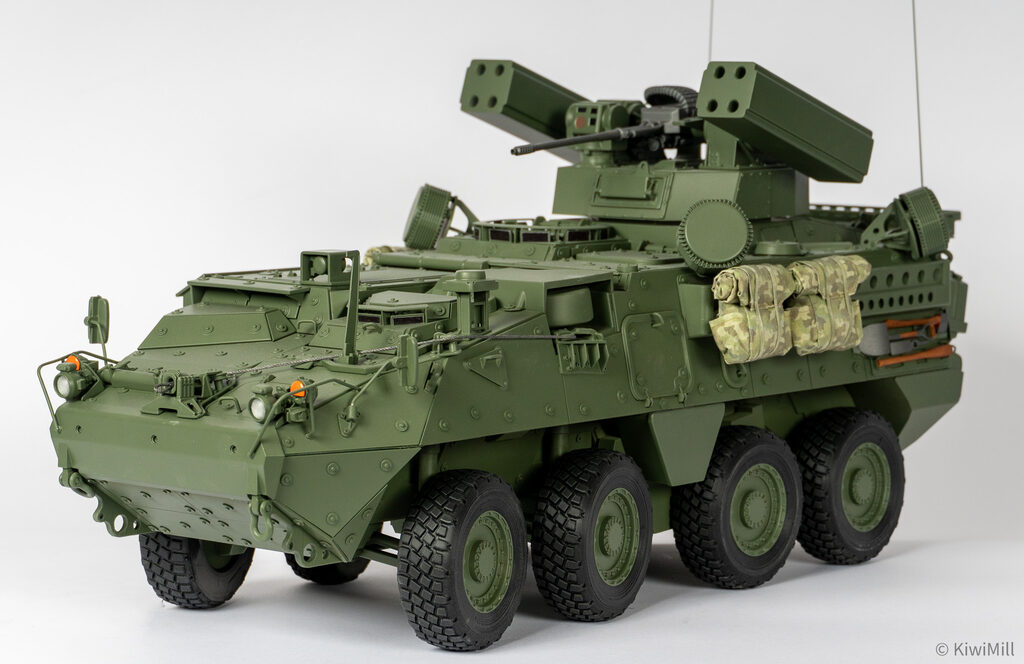
How pricing works at KiwiMill, what a quote contains, and how to get an accurate number quickly.
"How much does it cost?" is the first question nearly every client asks, and it deserves a straight answer: there is no set price for a custom scale model, because there is no set model. Every project we build is a one-off, engineered around what the model has to do. But "it depends" isn't useful on its own — so here's exactly how pricing works at KiwiMill, what a quote contains, and how to get an accurate number quickly.
How model pricing actually works
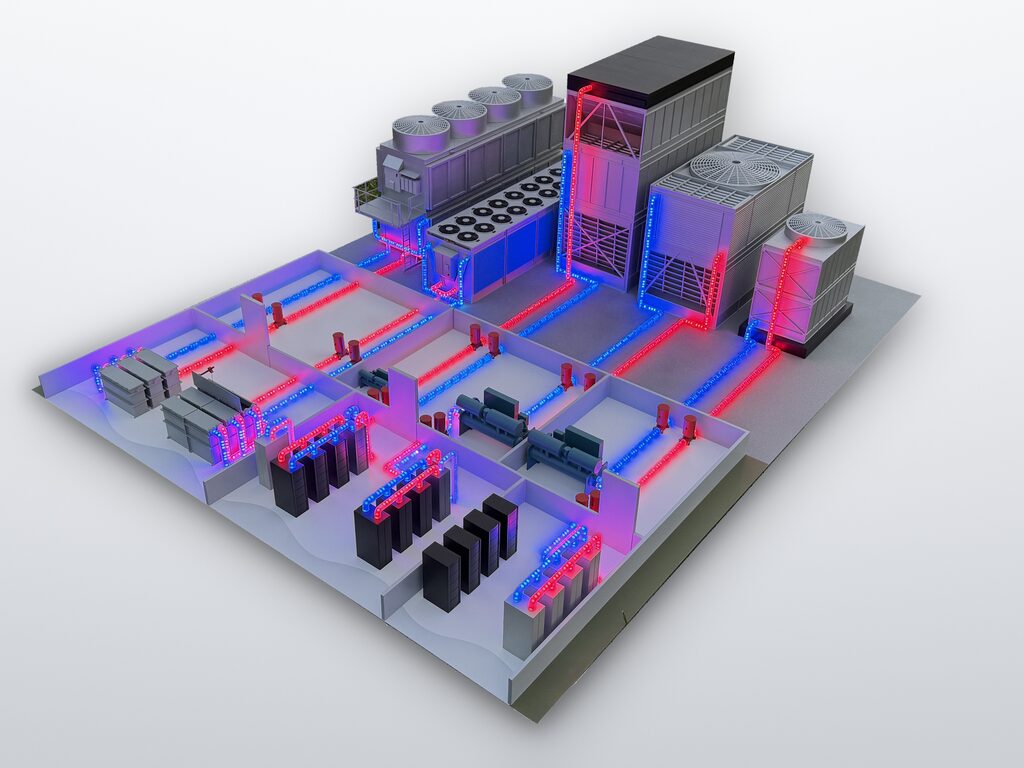
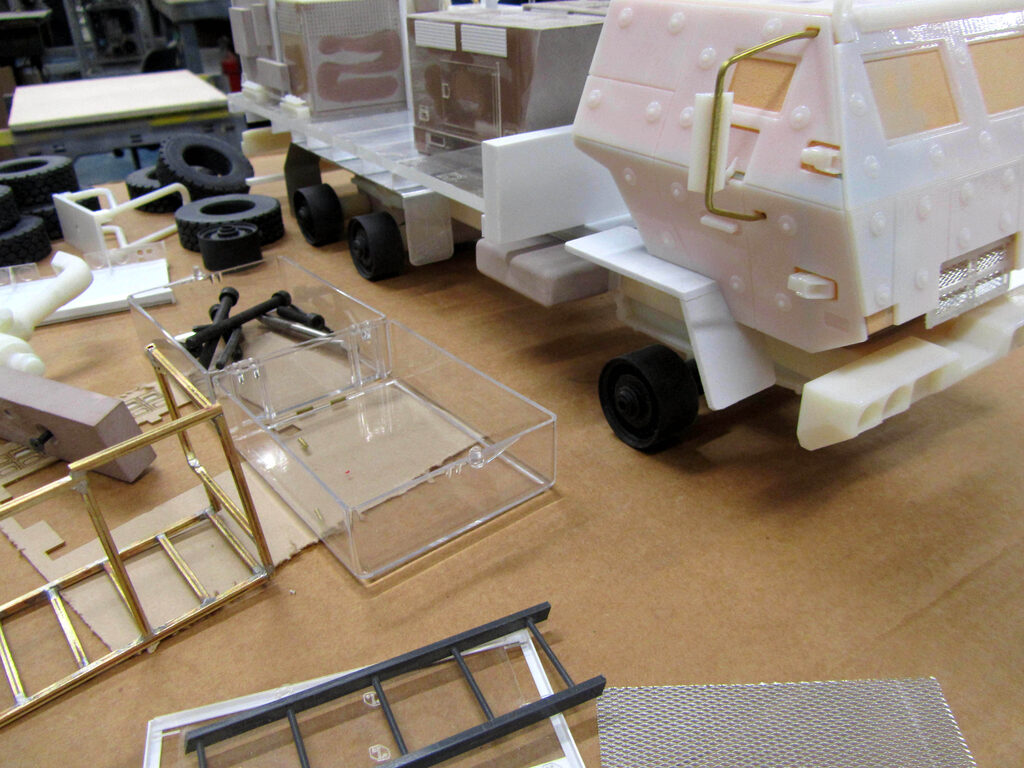
A custom model's price comes down to time. When a project comes in, our model makers look at what has to be built and work out the approach: which materials, which fabrication methods — machining, 3D printing, laser cutting, molding and casting, hand fabrication — whether parts need to be drawn in CAD first, and whether the model needs engineering for motion, lighting, or other working features. From that, we estimate the hours the build will take, and the hours become the price. Materials are built into our rate rather than billed separately, so there's no parts markup to decode.
The quote you receive is a fixed price for the scope we agreed on. If the design changes after the build starts — new information from your engineering team, a feature added mid-project — that additional work is quoted separately, so there are no surprises on the invoice.
What models typically run
Models typically start around $6,000, and multi-model projects often run $10,000 and up. Large, highly detailed, or animated models — full interiors, motion, lighting, multiple units — can go well beyond that. The biggest cost drivers are size and scale, level of detail, working features, quantity (multiples cost less per unit than one-offs, but molds and jigs add up-front work), and the calendar: a rush job can mean overtime and expedited materials.
Why we ask about your budget
Early in the conversation we'll usually ask what you're hoping to spend. That can feel like showing your hand in a poker game, but there's no gamesmanship in it. A quote is just estimated hours — there's no magic to the number, and knowing your budget lets us design to it.
Say you want a half-scale model with a full interior and a working mechanism, on a budget the math simply won't support. If we know that up front, we don't have to say "sorry, can't be done for that price." We can suggest a quarter-scale cutaway that shows the interior areas that matter and skips the ones that don't — and deliver the impact you're after at the number you have. It is always to your advantage, and ours, to work within your budget rather than around it.
What's in a KiwiMill quote
Quotes are free, for projects big and small. For a project similar to something we've built before, we can often give a ballpark over email or a call. A formal written quote spells out:
- The overall design — scale, size, and what's included
- Materials, finishes, and level of detail
- Working features: motion, lighting, animation, removable or cutaway sections
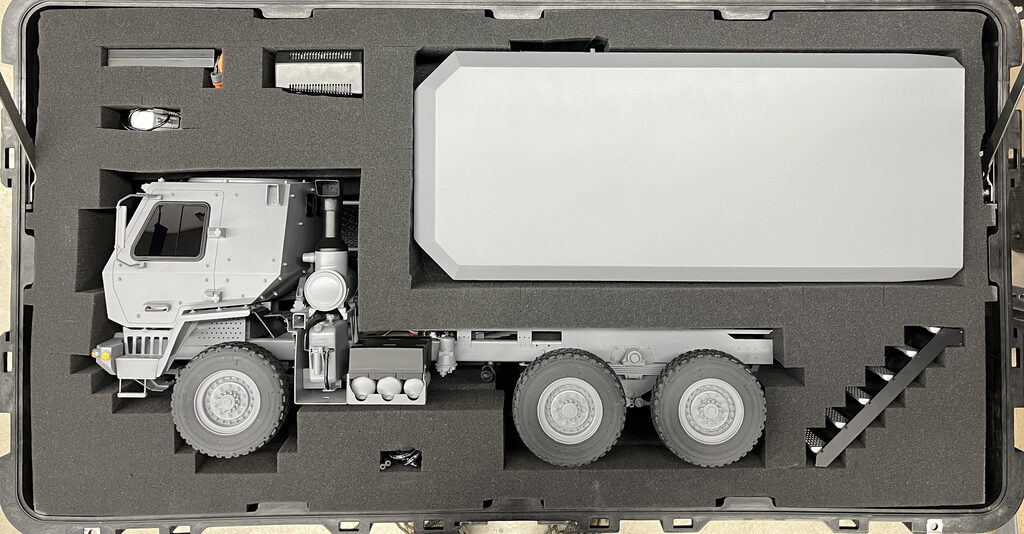
- Accessories: mounting, bases, display cases, and custom crating
- Timeline, and what we need from you to start — reference data and the initial payment
One thing we do differently from many shops: your project gets in front of an actual model maker early, not just a salesperson. The person estimating the hours is the person who understands how the thing will be built — which makes the number accurate — and talking to a model maker at the quote stage usually improves the model, because scope questions ("does it need a full interior, or a cutaway?") get answered by someone who's built both.
How to get an accurate quote fast
The more we know, the tighter the number. The most useful things to send with an inquiry:
- What the model is of — photos, CAD files, drawings, brochures, even a competitor's spec sheet. We work from anything, but CAD geometry speeds up both quoting and building.
- What the model is for — trade show, sales meetings, training, a lobby display. Purpose drives durability, scale, and detail more than any other factor.
- Size or scale, if you have a constraint — booth dimensions, a shipping limit, a conference table.
- Your deadline — especially a show date. We plan builds backward from the day your model has to be on the floor.
- Your budget, if you have one — see above.
Don't have all of that? Send what you have. Plenty of clients start with "we're considering a model and aren't sure what we need" — helping you figure out whether it should be a cutaway, an animated model, or three desktop duplicates is part of the service, and the conversation costs nothing.
NDAs, ITAR, and keeping your project confidential
To build an accurate replica we typically need your drawings, CAD files, measurements, and photographs — often for products that haven't launched yet. Confidentiality is a normal part of this business, and it's handled three ways:
Non-disclosure agreements. Many clients begin the quote process with an NDA, and we're glad to sign — or to provide our own if you don't have one on hand. For inventors and product developers with patentable ideas, we often suggest it ourselves before detailed discussions start.
ITAR. We regularly build for defense clients, and we understand ITAR obligations around defense-related technical data, including citizenship restrictions on who can access controlled information. Sometimes the engineering data is controlled but the finished model is not — meaning we can photograph the completed model for our portfolio while the underlying data stays protected. That distinction gets worked out with you, not assumed.
Our default policy, agreement or not. We don't publish a finished model until it has shipped and been received — and if it's debuting at a trade show or launch event, we wait until after the unveiling. Some projects never appear in our portfolio at all, at the client's request. Many clients enjoy the publicity; the ones who don't, don't have to explain why.